-
OVERVIEW
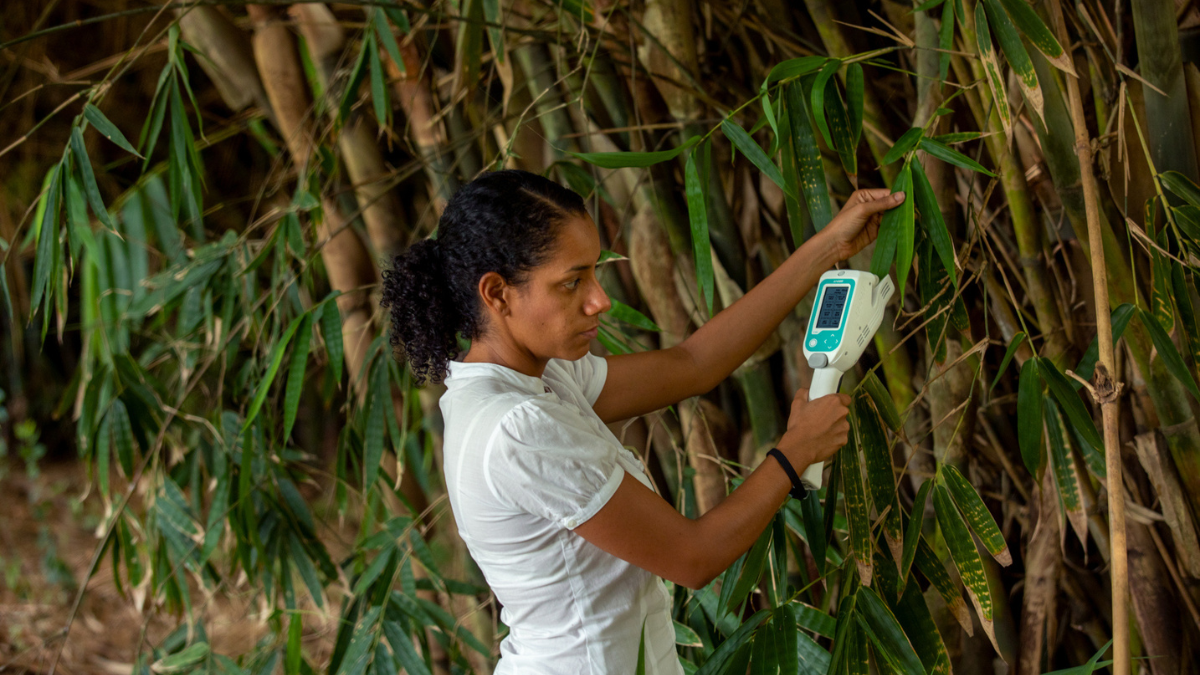
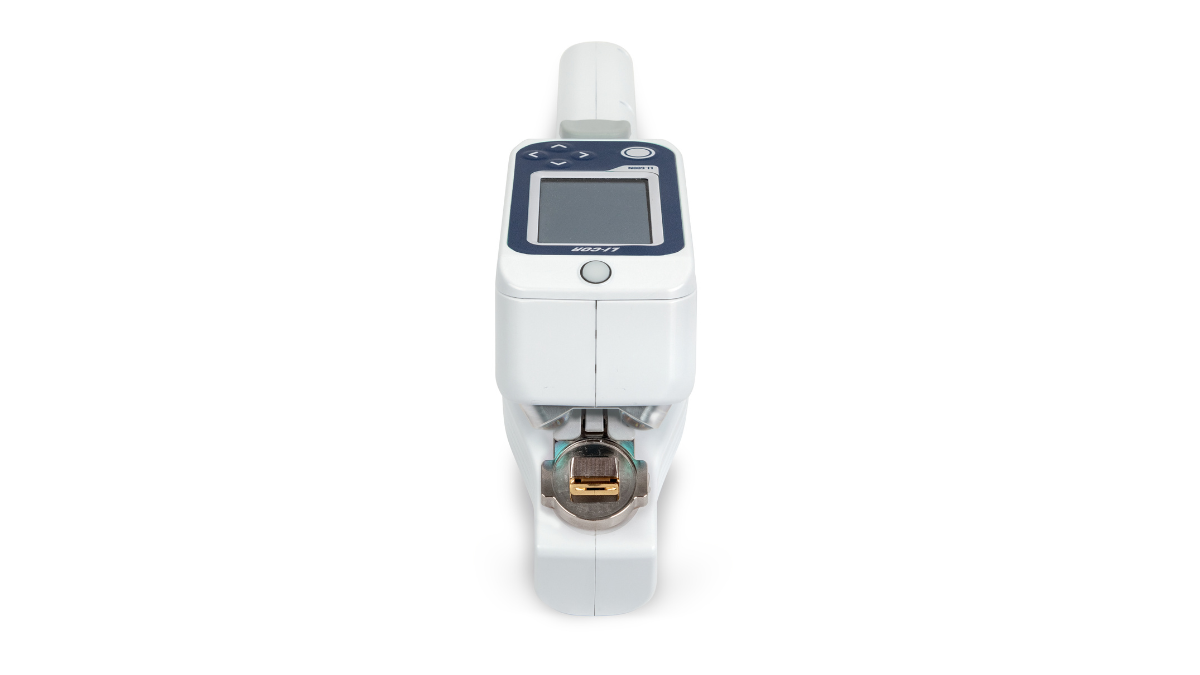
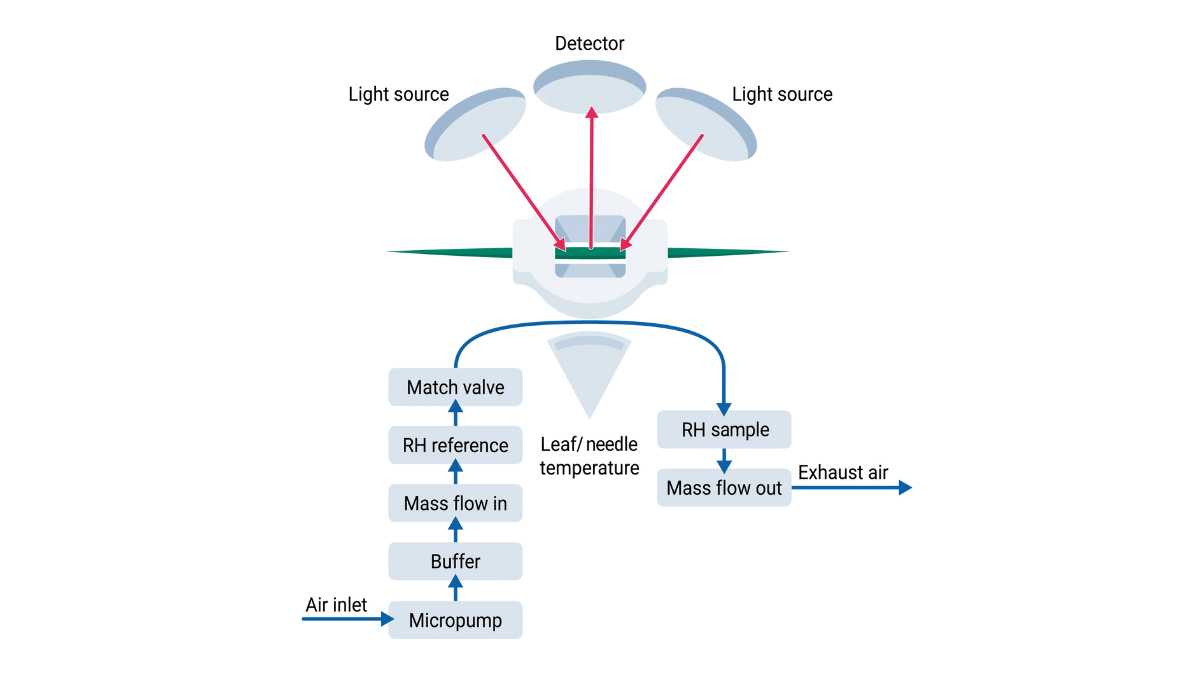
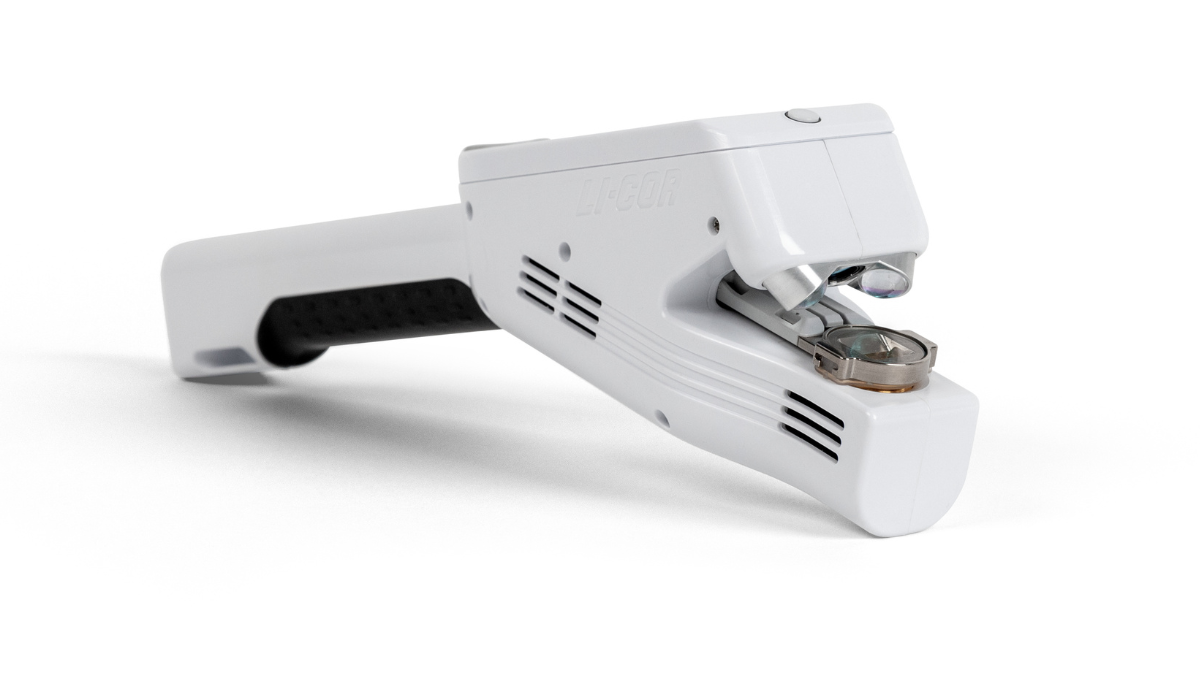
The LI-600 Series from LI-COR provides researchers with fast, dependable, and co-located measurements of stomatal conductance, chlorophyll a fluorescence, and leaf angle—key parameters for understanding plant water status, photosynthetic efficiency, and stress responses. By integrating a porometer, a Pulse-Amplitude Modulation (PAM) fluorometer, GPS, PAR sensor, IR thermometer, and onboard orientation sensors in a single handheld instrument, the LI-600 and LI-600N allow precise physiological assessments under real field conditions.
With stability achieved in just seconds and a workflow designed for efficient surveying, the LI-600 Series helps you move effortlessly between samples while maintaining high data quality. Custom prompts, barcode compatibility, leak detection, and intuitive software support contribute to consistent, well-organised datasets ready for analysis.
LI-600: For Broadleaves
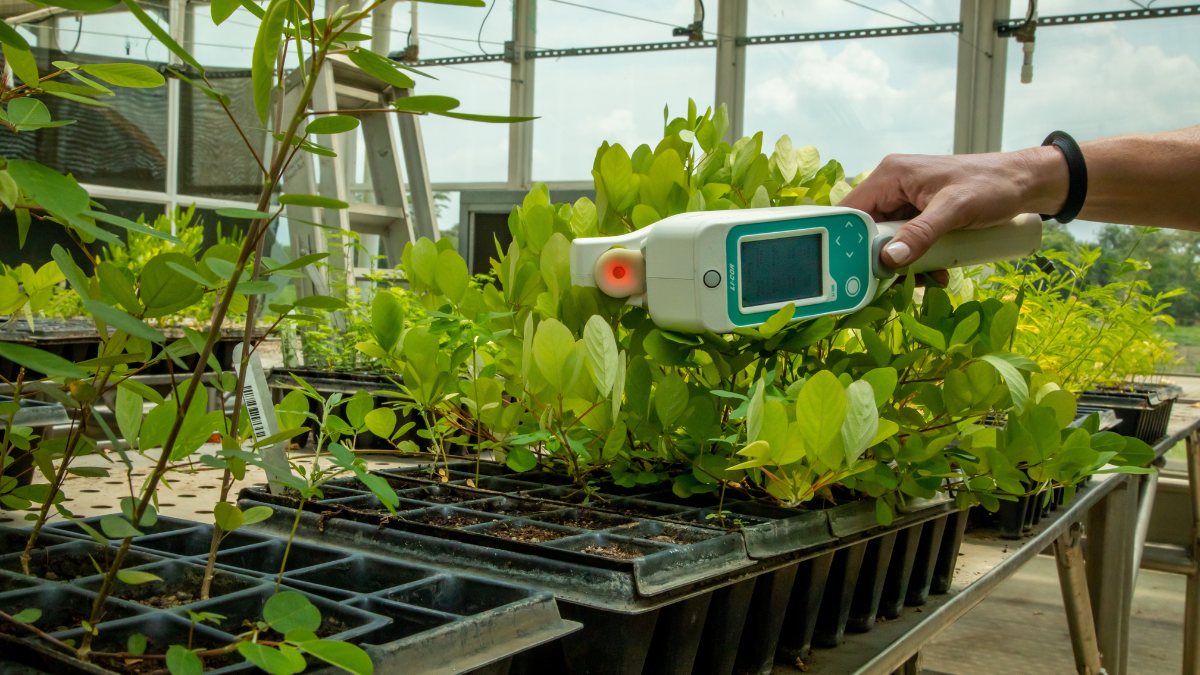
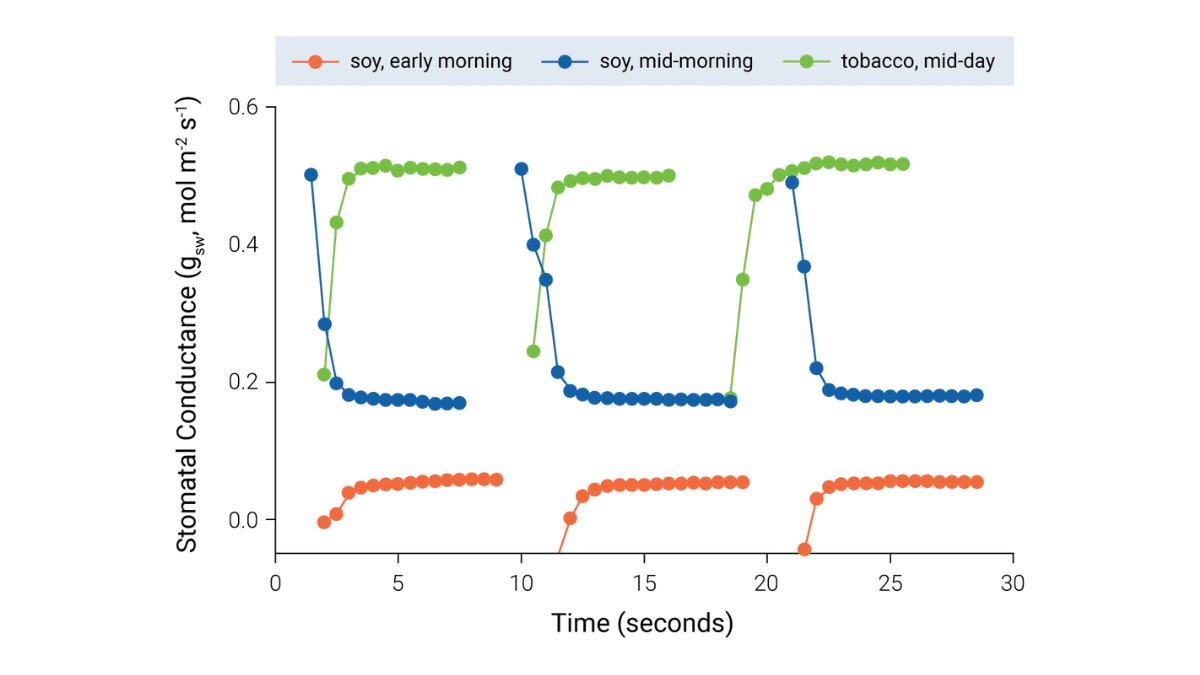
The LI-600 is the only handheld instrument that simultaneously measures stomatal conductance and chlorophyll fluorescence over the same area of a broadleaf. Optimised for fast ambient-condition surveys, it reaches stability within 5–10 seconds and uses configurable stability criteria to ensure high-quality data. Automatic logging captures each measurement the moment stability is reached—ideal for high-throughput field campaigns.
LI-600N: For Needles, Narrow Leaves, and Grasses
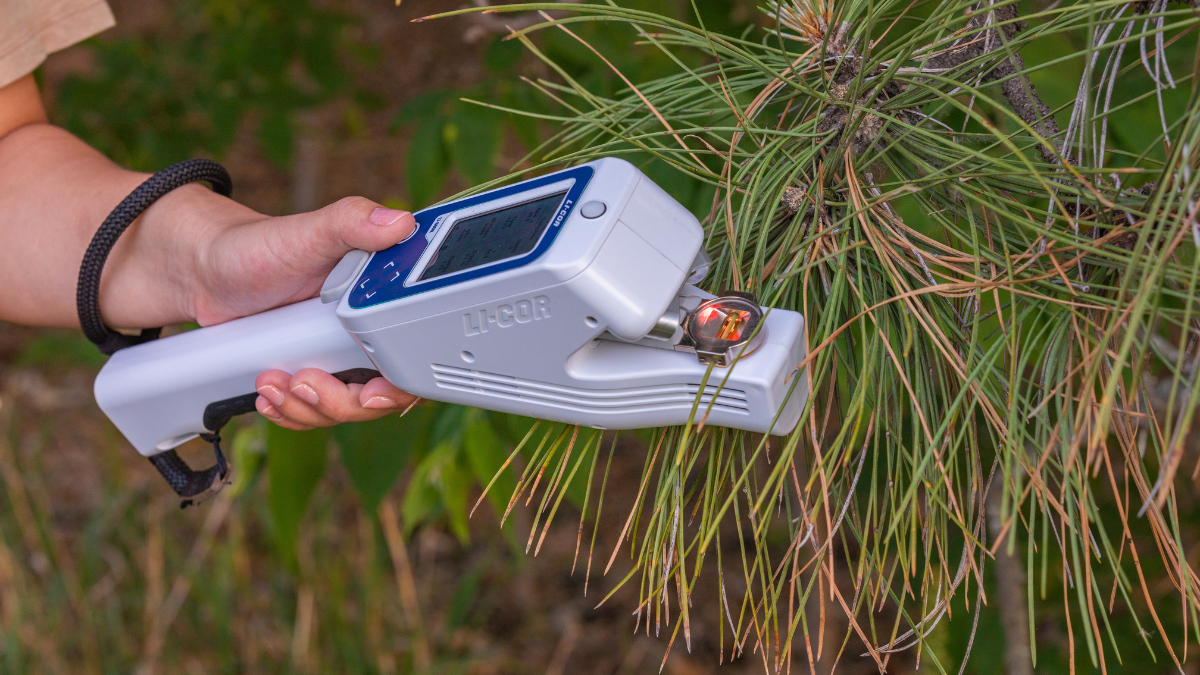
Purpose-built for single needles, narrow leaves, and grasses, the LI-600N is the only instrument specifically designed to measure conductance and fluorescence on these challenging morphologies. With stability in 5–15 seconds and simple push-button logging, it enables precise, repeatable physiological measurements on species where conventional porometers and fluorometers struggle.
Key Features
Core Capabilities
- Simultaneous measurement of stomatal conductance and chlorophyll a fluorescence
- Leaf angle calculation using integrated GPS, accelerometer, and magnetometer
- Fast stability times (typically 5–15 seconds, depending on model)
- Designed for reliable measurements under ambient field conditions
Speed & Workflow Efficiency
- Simple, intuitive display for quick navigation
- One-handed ergonomic operation
- Automatic stability-triggered logging (LI-600) or one-button logging (LI-600N)
- Optional user-defined prompts to keep data structured
- Barcode scanning for sample ID and reduced manual entry
Data Quality & Accuracy
- User-configurable RH sensor matching for true differential measurements
- Flexible gasket ensures a tight seal around leaves or needles
- Automatic leak detection and warnings
- Built-in PAR sensor for ambient light conditions
- Infrared thermometer for fast, accurate leaf temperature readings
Field-Ready Design
- Lightweight and durable for long survey days
- Built-in rechargeable battery lasting 8+ hours
- GPS logging for time, date, and location
- Store up to four on-device configurations for different protocols
-
PRODUCT DETAILS
Time-saving features for fast surveys
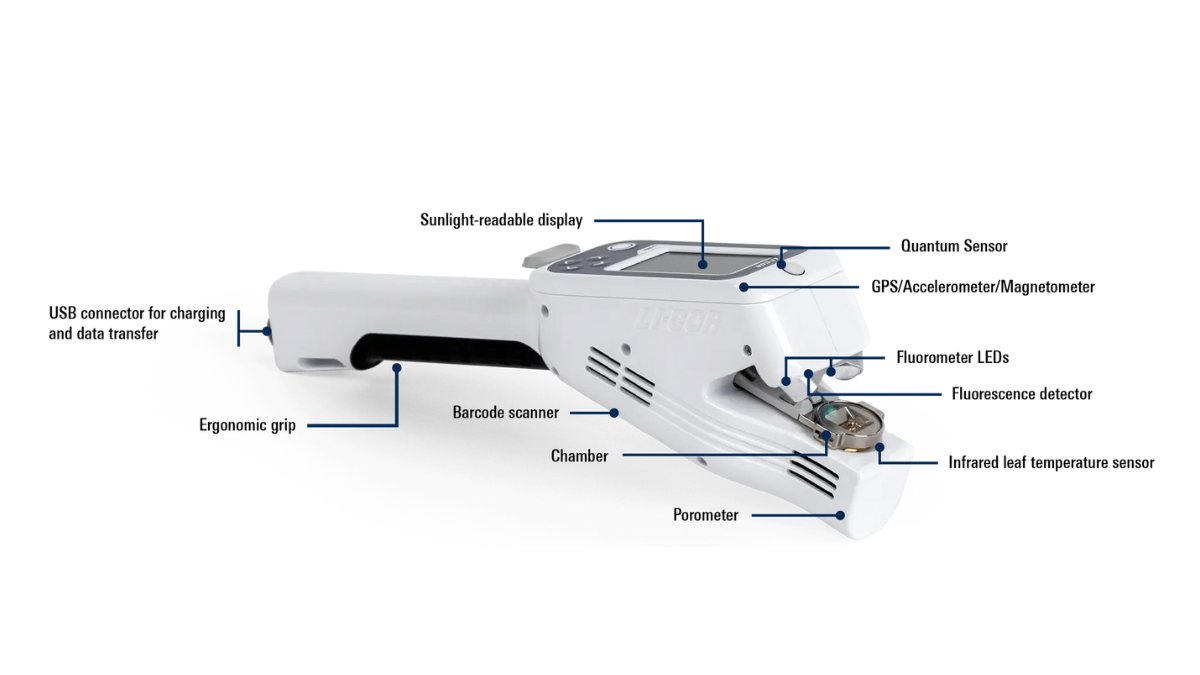
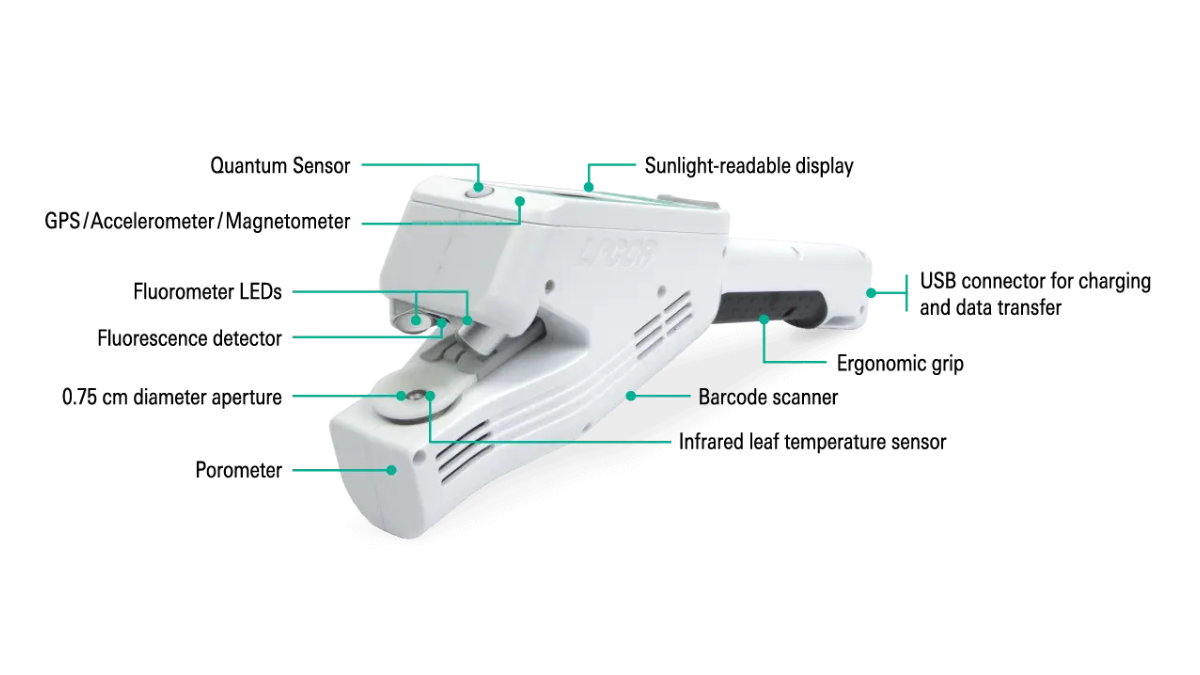
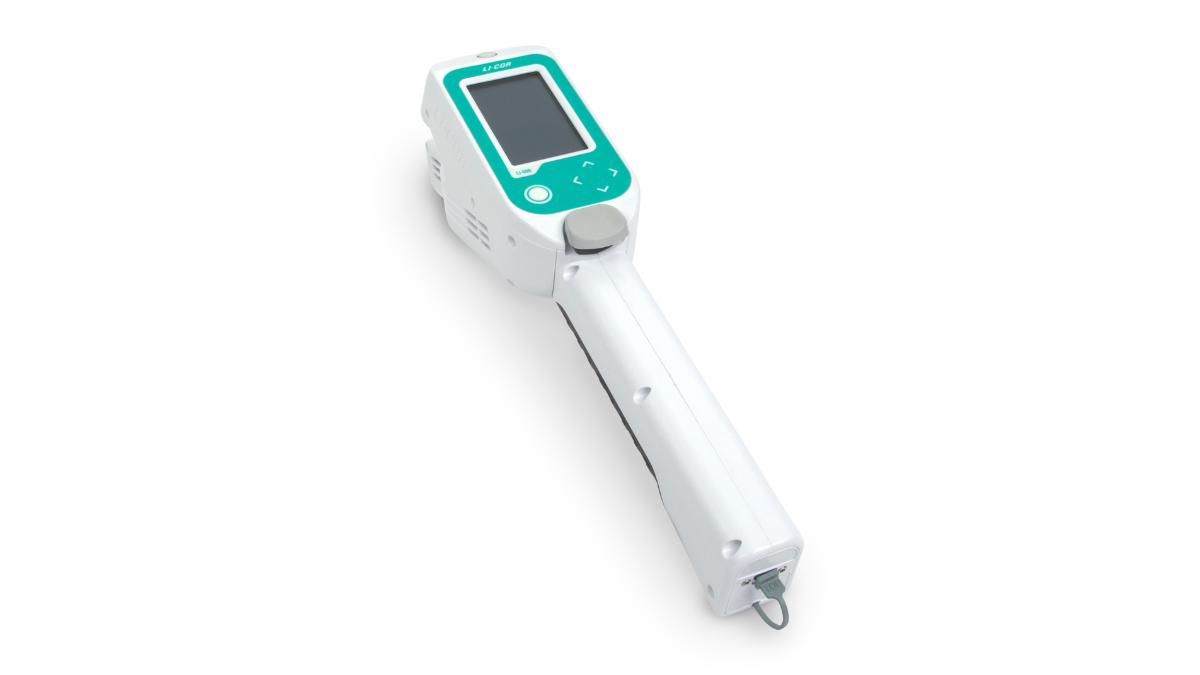
- Simple, intuitive display shows instrument status and most recent measurement.
- Ergonomic, lightweight design allows for easy single-handed operation.
- GPS receiver records measurement location.
- Barcode generator in the desktop software creates custom barcode labels.
- Barcode scanner records sample information and reduces manual data entry errors.
- Optional user-defined prompts in the measurement workflow help keep data organized.
- Built-in rechargeable battery powers 8 hours or more of active use.
Why measure stomatal conductance and chlorophyll a fluorescence?
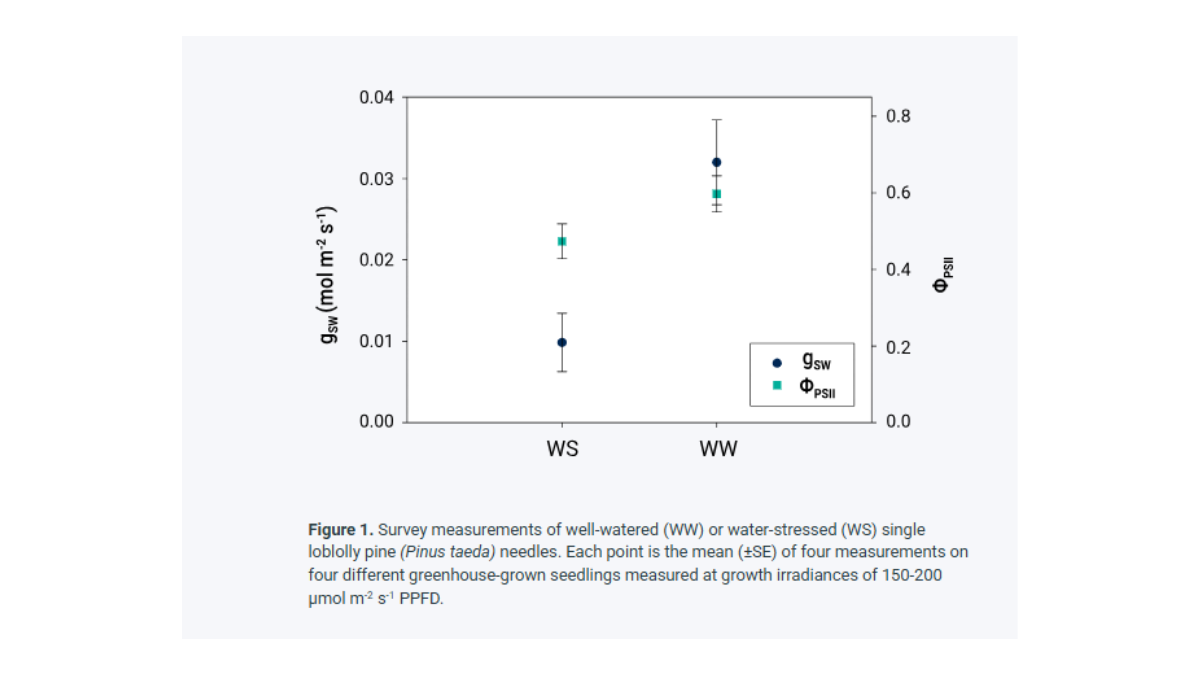
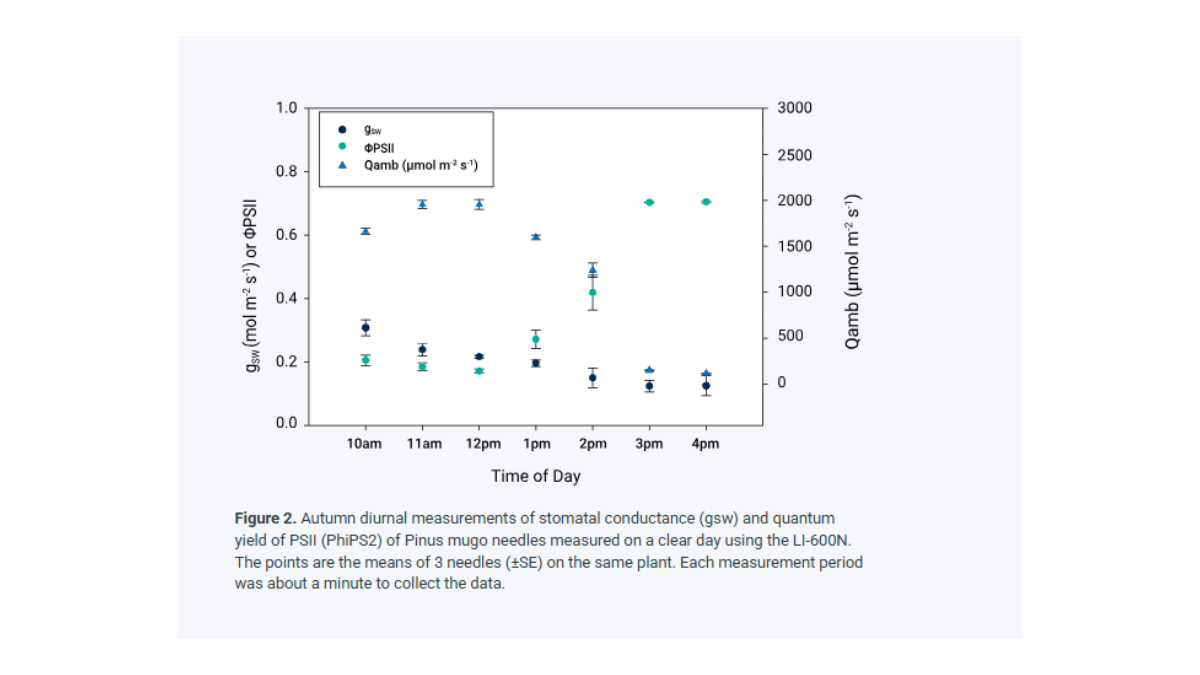
Combined measurements of stomatal conductance and chlorophyll a fluorescence present a more complete picture of a plant’s physiological state than either technique alone.
Dependable data and ease-of-use
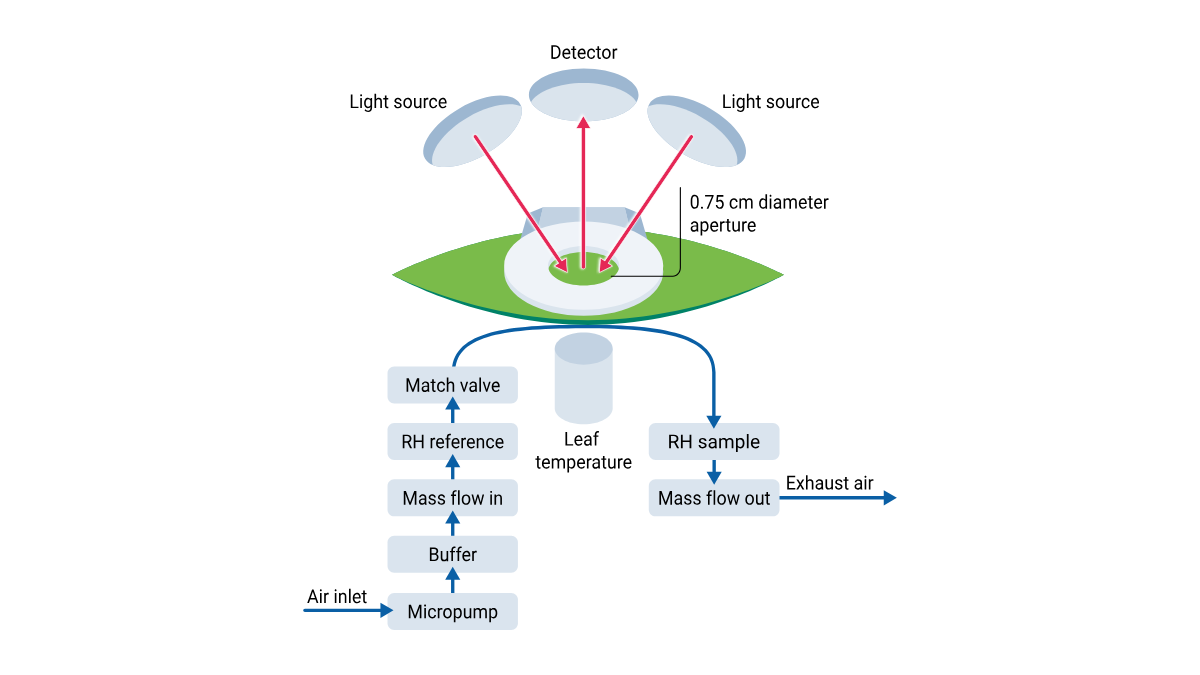
- User-configurable matching of RH sensors ensures measurement of the true differential.
- Pliable gasket material conforms to the leaf or needle to minimize diffusion and leaks.
- Automatic leak detection and warning help prevent measurement errors.
- Infrared thermometer takes fast, accurate leaf temperature measurements.
- Built-in light sensor measures ambient photosynthetically active radiation (PAR) near the leaf.
- Accelerometer/ magnetometer measures pitch, roll, and heading–leaf angle relative to the sun is calculated from those parameters and GPS information.
- GPS receiver records date, time, latitude, longitude, and altitude of each measurement.
Leaf angle measurements
The angle of incidence of a leaf– its orientation to the sun at a given time and place–is a useful variable for understanding a plant’s architecture and its physiological responses to the environment. A leaf’s angle of incidence may change, for example, to maximize light intensity for photosynthesis, minimize light intensity to conserve water, or allow light through a canopy to lower leaves. Knowing the angle of incidence of a leaf can lead to insights into how light intensity drives photosynthesis, and into the differences in measurements taken on the same plant.
The accelerometer/magnetometer measures three variables–heading, pitch, and roll–and the GPS receiver records leaf location and solar position. The LI-600/LI-600N software uses these data to calculate the angle of incidence for each leaf measurement, allowing researchers to evaluate a plant’s environmental status more thoroughly.
GPS
The LI-600 records your position using GPS data when a measurement is taken, giving you the ability to track locations and return to specific areas over time. The LI-600 records the date, time, latitude, longitude, and altitude of each measurement, and works with the accelerometer/ magnetometer to record the data needed to calculate a leaf’s angle of incidence.
-
WHAT IS STOMATAL CONDUCTANCE?
Stomatal openings regulate the exchange of water vapor and CO2 between a leaf and the air. Stomatal conductance to water (gsw), which responds to light, CO2, temperature, and humidity, among others, is a measure of the degree of stomatal openness and the number of stomata. It is an indicator of a plant’s genetic makeup and physiological response to environmental conditions.
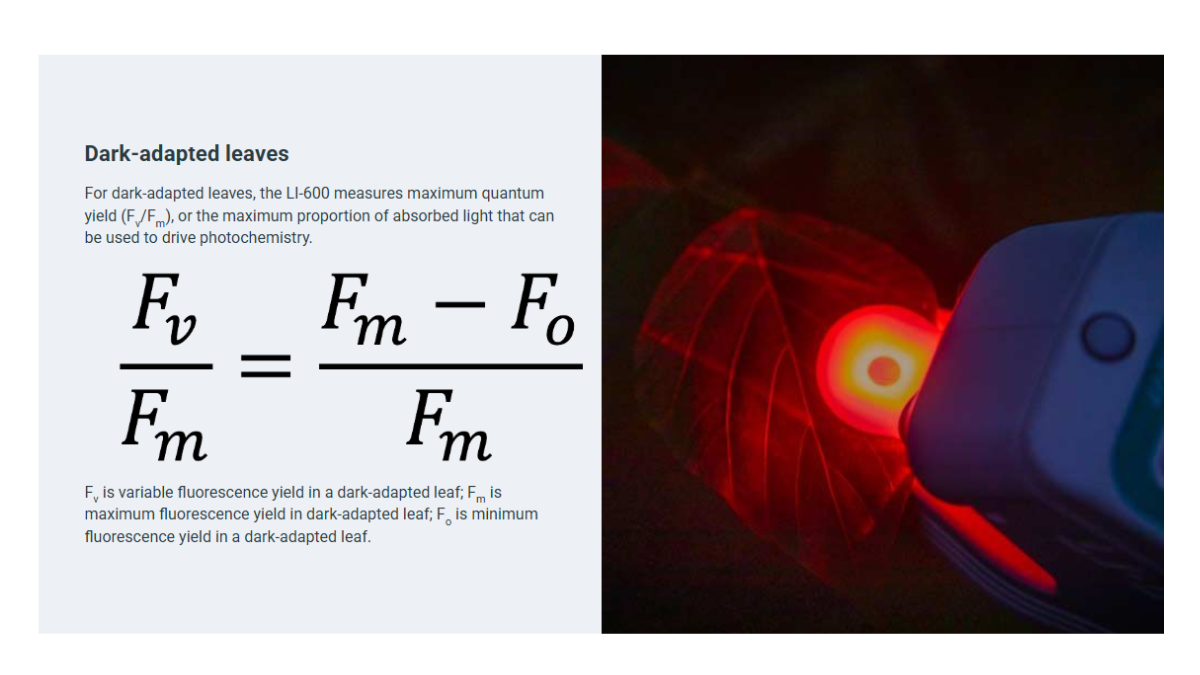
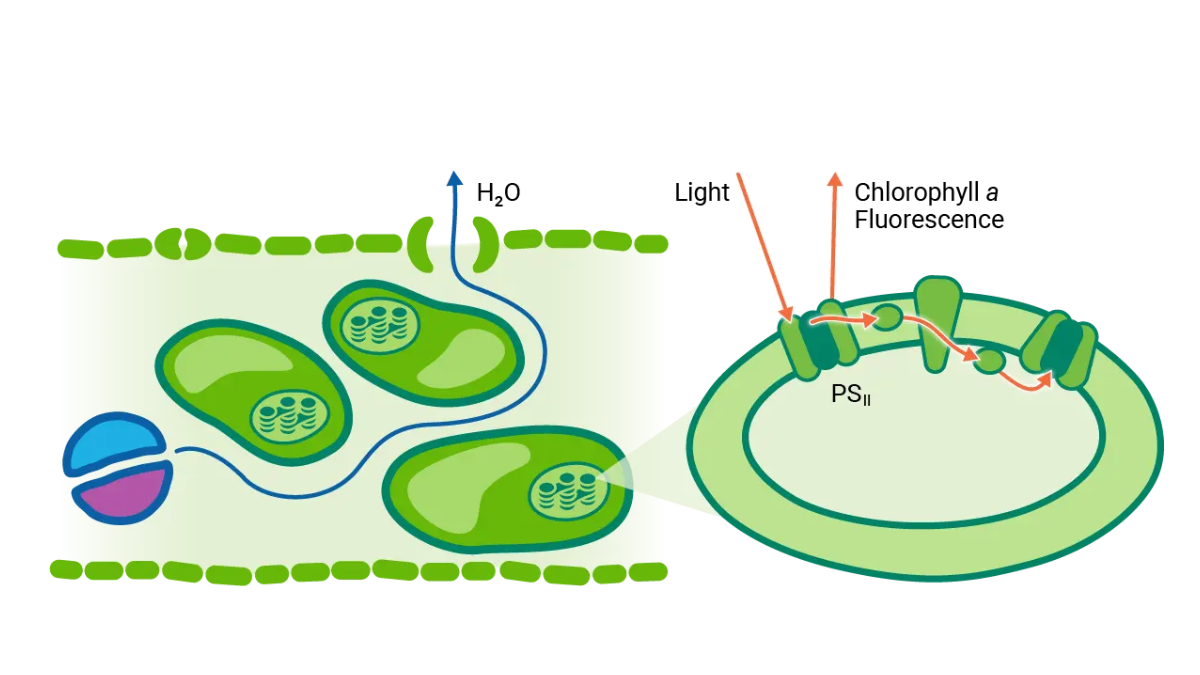
Measurements of chlorophyll a fluorescence can provide information about the leaf’s quantum efficiency, electron transport rate (ETR), non-photochemical quenching (NPQ), as well as an assortment of reactions that collectively protect a leaf when it absorbs excessive light energy.
Understanding these processes is important to many research applications, including genetic screening, agronomy, plant physiology, ecology, climate change research, and stress tolerance.
Chlorophyll a fluorescence
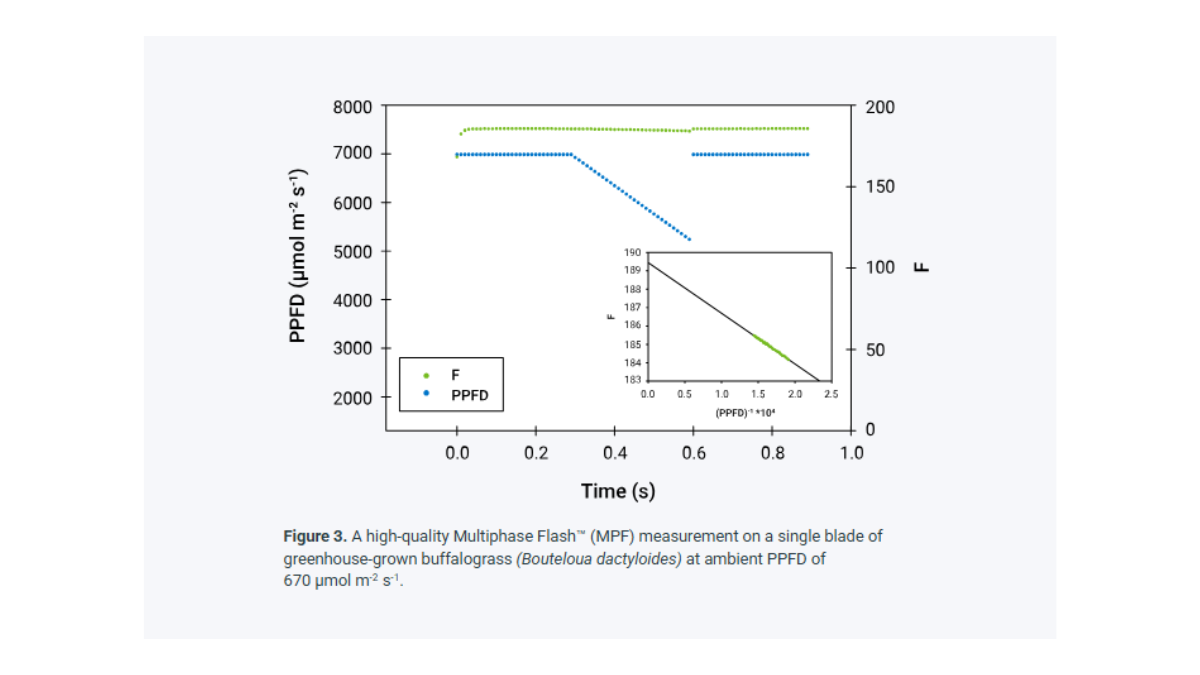
Measurements of chlorophyll a fluorescence provide insights into photosynthesis, and, when combined with stomatal conductance, results in a more complete picture of the overall plant physiology and health. In addition to rectangular flashes, the LI-600 and LI-600N support multiphase flashes (MPF), which can prevent underestimation of Fm‘ (Loriaux et al., 2013) and thereby reduce bias in numerous fluorescence parameters.
Loriaux SD, et al. (2013). Closing in on maximum yield of chlorophyll fluorescence using a single multiphase flash of sub-saturating intensity. Plant Cell Environ 36:1755-1770.
-
SOFTWARE
You can configure the LI-600 and LI-600N with ease – just set a few parameters in the computer software and you are ready to collect data. Each LI-600/LI-600N can store up to four configurations, making it easy to switch from one protocol to another. You can save numerous configurations on your Mac or PC and share configuration files with colleagues. Configurations are easily loaded from the software onto the device through a USB connection.
Whether you are preparing for measurements, evaluating data files, or verifying the calibration, the computer software presents a simple, intuitive interface that lets you focus on the task at hand.
-
SPECIFICATIONS
General
Measurement Time Porometer 5 to 15 seconds typically, depending on species, leaf or needle surface characteristics, and conditions Flurometer 1 second Operating Conditions Temperature 0 to 50 °C Pressure 50 to 110 kPa Humidity 0 to 85%; non-condensing Weight 0.68 kg (porometer only); 0.73 kg with fluorometer Dimensions 32.4 cm × 16.9 cm × 6.2 cm (L × W × H) GPS Accuracy 2.5 m CEP Display Dimensions 6.8 cm diagonally Resolution 400 × 200 pixels; sunlight readable monochrome Keypad 5-button membrane pad Battery (built-in Li-ion) Operating Hours 8 hours typically Capacity 5200 mAh Recharging Time 3.5 hours typically; 2 hours with Qualcomm® Quick Charge™ 2.0 or 3.0 Data Storage 128 MB USB specifications Communication/charging interface: Micro-B Qualcomm® Quick Charge™ 2.0 or 3.0 for rapid charging Universal Charging Adapter Input 90 to 264 VAC; 50 to 60 Hz Output 5 VDC; 1 Amp Configuration Software Windows® and macOS® applications Data Output Plain text files (comma or tab-delimited) and an .xlsx file with embedded equations. Barcode Scanner 1-D and 2-D, including Code 39, Code 128, PDF417, 100% UPC, Data Matrix, QR Code Photosynthetically Active Radiation (PAR) measurement Units Photosynthetic Photon Flux Density (PPFD); µmol m-2 s-1 Calibration Accuracy ±10% of reading; traceable to NIST Cosine Correction Cosine corrected up to 60° angle of incidence Porometer
Leaf and needle sizes LI-600 Length and width: 7.5 mm minimum
Thickness: 2.8 mm maximumLI-600N Width: 1-3.5 mm
Length: 14.2 mm minimum
Thickness: 2.8 mm maximumFlow Rates Low 75 µmol s-1 Medium 115 µmol s-1 High 150 µmol s-1* RH sensor accuracy ±2% RH Reference temperature ±0.2 °C Leaf temperature sensor accuracy ±0.5 °C Inlet flow measurement ±1% of reading from 75 µmol s-1 to 150 µmol s-1 Exhaust flow measurement ±5% of full scale up to 150 µmol s-1 Parameters - gsw mol m-2 s-1; gbw mol m-2 s-1; gtw mol m-2 s-1; E mmol m-2 s -1
- VPcham kPa; VPref kPa; VPleaf kPa; VPDleaf kPa
- H2Oref mmol mol-1; H2Osamp mmol mol-1; H2Oleaf mmol mol-1
Flurometer
Flash Types User configurable Rectangular and Multi-phase Flash™ (MPF) Measuring light peak wavelengths 625 nm Measuring light peak intensity 0 to 10,000 µmol m-2 s-1 Flash intensity 0 to 7500 µmol m-2 s -1 LED risk group Exempt group in acc. with IEC 62471:2006. The LED does not pose any photobiological hazard Parameters Fo; Fm; Fv; Fv/Fm; Fs; Fm’; ΦPSII; ETR *High flow may not be achievable at higher altitudes
Specifications are subject to change without notice
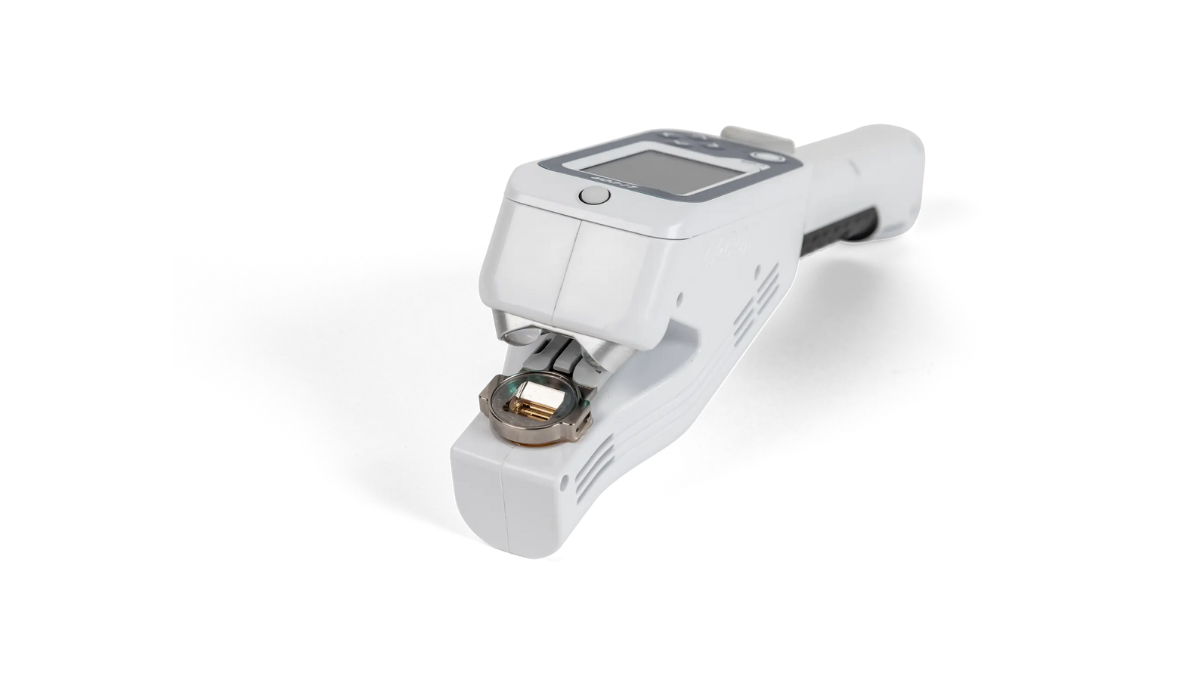
LI-COR LI-600 Porometer/ Fluorometers
The LI-COR LI-600 and LI-600N are compact porometer/fluorometers that deliver rapid, co-located measurements of stomatal conductance, chlorophyll a fluorescence, and leaf angle—across broadleaves, needles, grasses, and narrow leaves. Designed for fast, high-quality field surveys.